The Silent Revolution: Bespoke Coachbuilding in the Electric Era
As we transition toward electrification, the art of bespoke coachbuilding is undergoing a profound metamorphosis. We explore how modern design houses are blending traditional craftsmanship with futuristic propulsion.
October 23, 2026
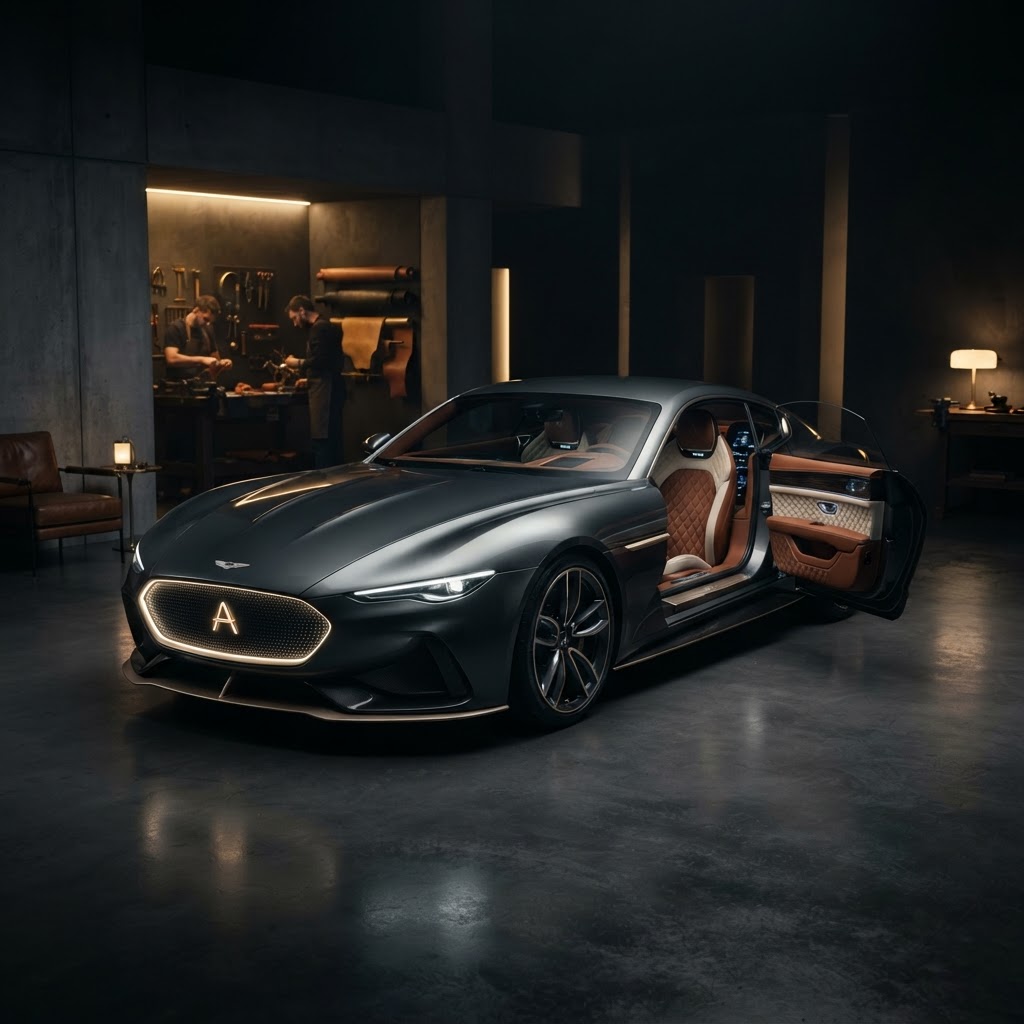
In the gilded halls of automotive history, coachbuilding represented the pinnacle of individual expression. During the pre-war era, a rolling chassis from a manufacturer like Rolls-Royce or Bugatti was merely a canvas for maestros like Figoni et Falaschi or Saoutchik. Today, as the industry pivots toward electric powertrains, we are witnessing a remarkable renaissance of this lost art form. The electrification of hypercars is not merely a change of heart, but a fundamental shift in design philosophy.
The silence of an electric motor offers a unique luxury—a serenity that was previously unattainable in high-performance vehicles. Design houses are capitalizing on this by creating bespoke silhouettes that prioritize aero-efficiency without the constraints of traditional cooling ducts and exhaust routing. We see this in contemporary masterpieces like the Rolls-Royce Droptail or the reimagined creations from Ares Modena. These vehicles are not just machines; they are sculptures that move. The lack of a bulky internal combustion engine allows designers to push the boundaries of cabin layout, creating lounges on wheels that prioritize human-centric experiences over mechanical dominance.
From our hubs in Vienna and Düsseldorf, we observe a growing preference among our members for these 'limited-edition realities.' Collectors no longer seek mass-produced hypercars; they crave the intellectual intimacy of a collaborative project. Working with these bespoke ateliers allows our members to influence the curvature of a fender or the texture of a bespoke weave in the interior, effectively becoming patrons of modern art. It is a slow, deliberate process that stands in stark contrast to the rapid-fire production cycles of standard luxury models.
Technological integration has also evolved. Modern coachbuilders now employ carbon fiber additive manufacturing to realize complex geometries that were previously impossible to cast or mold. This marriage of digital precision and artisanal finish ensures that these vehicles remain as reliable as they are breathtaking. Furthermore, the ability to tailor an electric drivetrain's power delivery means that the driving experience can be perfectly calibrated to the owner's preference—be it the aggressive surge of a track-focused beast or the velvet-smooth acceleration of an elegant grand tourer.
As we look toward the future, the role of the coachbuilder will become even more vital. In a world saturated with digital interfaces, the tactile, physical presence of a custom-bodied hypercar remains the ultimate statement of individuality. It is the intersection of heritage and the cutting edge, a space where the roar of the past is replaced by the refined hum of the future. For the discerning collector, this is not just an acquisition; it is the curation of a legacy.