The Silent Revolution of Electric Hypercar Aerodynamics
As we enter the era of electrification, the mastery of airflow has become the ultimate artisan craft. We examine how electric hypercars are redefining the boundary between form and function.
September 29, 2026
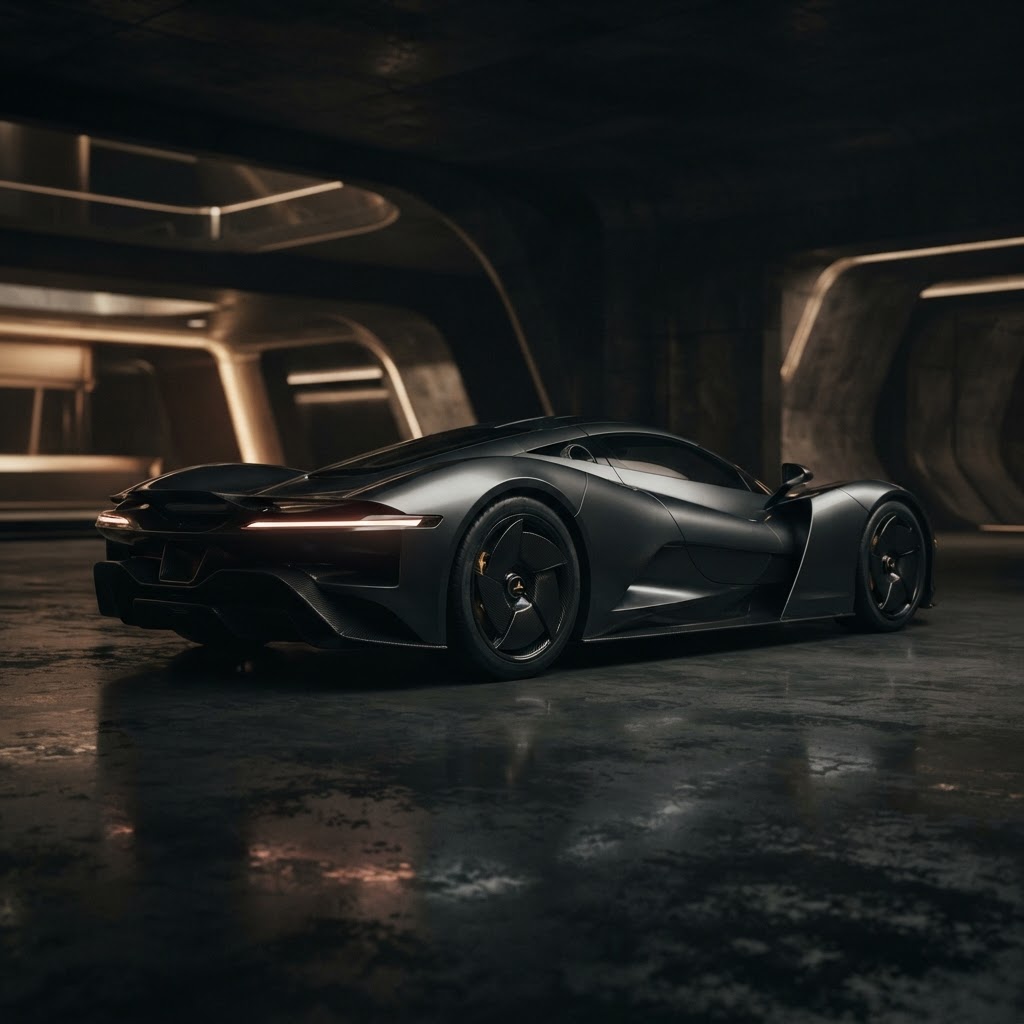
For decades, the sound of a combustion engine served as the primary indicator of automotive performance. The visceral scream of a naturally aspirated V12 or the deep rumble of a twin-turbocharged V8 defined the hypercar experience. Yet, as Black Label Motors observes the latest shifts in automotive engineering, a new protagonist has emerged: the wind itself. In the world of high-performance electric vehicles, such as the Rimac Nevera or the Pininfarina Battista, the absence of cooling intake requirements for massive engines has allowed engineers to rethink the vehicle’s silhouette entirely.
Aerodynamics has evolved from a tool for downforce into the primary language of aesthetic expression. Without the need for large radiator grilles, the front end of a modern hypercar has become a canvas for fluid dynamics. Take, for instance, the active air channels integrated into the chassis of the latest electric marvels. These channels do not merely channel air; they manipulate the very atmosphere to create a vortex of stability, effectively pinning the car to the tarmac with surgical precision. This approach is not merely about top speed; it is about the mastery of the kinetic environment.
From our hubs in Vienna and Düsseldorf, we see a fascinating trend among collectors. The appeal of the traditional hypercar remains, but there is a growing appreciation for the 'haptic' quality of electric airflow. When you pilot these machines, the tactile feedback is derived not from mechanical vibration, but from the seamless interaction between the vehicle's bodywork and the air. It is a cleaner, more precise sensation—a kind of 'digital' driving experience that feels surprisingly organic.
Moreover, the design philosophy behind these vehicles represents a shift toward minimalism. By reducing reliance on heavy cooling hardware, designers have achieved a level of sculptural purity rarely seen in the era of combustion. Every crease, every vent, and every trailing edge serves a specific purpose in minimizing drag or maximizing thermal efficiency. It is the marriage of computational fluid dynamics and classical coachbuilding techniques, resulting in objects that appear to have been shaped by nature rather than by human hands.
As we look toward the future of luxury mobility, it is clear that the electric revolution is not just about the powertrain. It is a fundamental redesign of how we move through space. For the discerning driver, the future is not found in the roar of the past, but in the elegant, silent efficiency of the wind, harnessed by the most sophisticated machines ever created.