The Silent Revolution: Mastering the Electric Hypercar Experience
Electric powertrains are redefining the zenith of automotive performance. We explore how instant torque and radical engineering are shaping the next era of driver engagement.
September 18, 2026
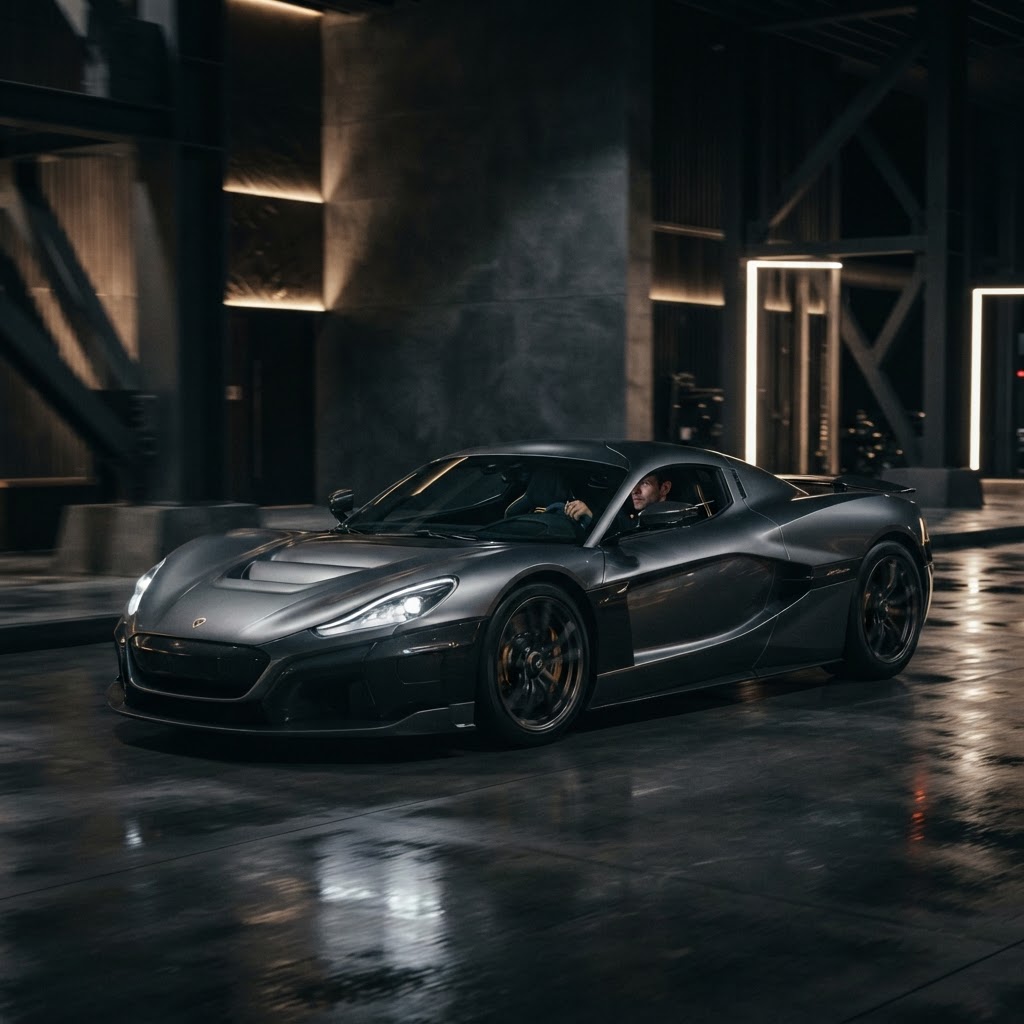
For decades, the soul of a hypercar was inextricably linked to the visceral symphony of internal combustion. The resonance of a V12 or the aggressive bark of a flat-plane crank defined the emotional connection between driver and machine. Yet, as we stand at the precipice of a new era, the arrival of ultra-high-performance electric vehicles, such as the Rimac Nevera and the Lotus Evija, forces us to re-evaluate our definition of engagement. At Black Label Motors, we believe this transition is not a loss of character, but an evolution into something far more intense.
Driving a modern electric hypercar is an exercise in recalibrating the human nervous system. When you depress the accelerator in a machine delivering over 1,900 horsepower, the response is not merely rapid—it is instantaneous. The traditional lag between mechanical actuation and kinetic output has been erased. This immediate delivery of torque transforms winding alpine passes into a sequence of fluid motions, where acceleration is no longer a crescendo, but a constant, unrelenting force. It requires a level of precision and respect that few other vehicles demand.
Critics often argue that the absence of a soundtrack diminishes the experience. However, after spending time behind the wheel of these electric titans, one finds that silence creates space for new sensory inputs. You hear the granular feedback of the tires against the asphalt, the wind rushing over the carbon-fiber monocoque, and the subtle whine of the electric motors that sounds more like a jet turbine than a traditional engine. It is a clinical, almost sci-fi experience that heightens your awareness of the road surface and the car’s chassis balance. You are not listening to the engine; you are listening to the physics of the drive.
Moreover, the engineering freedom granted by electric propulsion allows for unprecedented design layouts. Without the spatial constraints of a large transmission tunnel or massive heat exchangers, designers can optimize aerodynamics to an extreme degree. The Pininfarina Battista, for instance, utilizes this architecture to create an aesthetic that is both sculptural and functional, moving air with a grace that was previously impossible. This is the new architecture of luxury: refined, aerodynamically pure, and unapologetically fast.
For the collector, this marks a profound shift in asset appreciation. We are moving from an age of mechanical noise to an age of digital purity. While the classic V12 engines will always hold a sacred place in our garages, the electric hypercar represents the pinnacle of modern technical capability. It is a testament to human ingenuity, pushing the boundaries of what is possible on a public road. We invite our members to look beyond the nostalgia and embrace the silent, electric force that defines the future of motion.