The Silent Revolution: Bespoke Coachbuilding in the Electric Era
As the automotive industry pivots toward electrification, a new wave of coachbuilding is emerging. We explore how boutique manufacturers are blending traditional artisan techniques with cutting-edge electric powertrains.
September 11, 2026
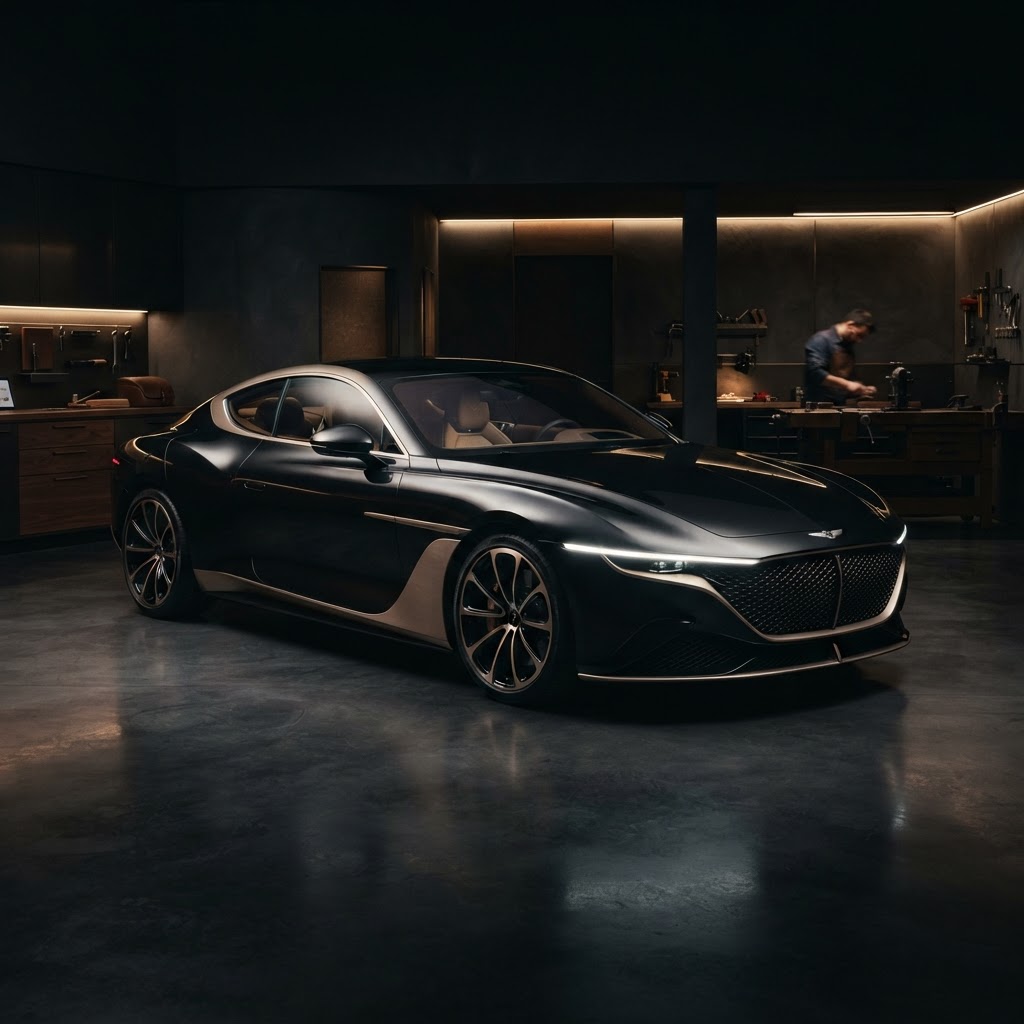
For decades, the pinnacle of automotive luxury was defined by the visceral roar of an internal combustion engine. From the high-revving V12s of Maranello to the refined W16s of Molsheim, sound was an intrinsic component of the driving experience. However, as Black Label Motors members are increasingly discovering, a fascinating shift is underway. The transition to electric propulsion is not just a technological pivot; it is a design liberation. Without the constraints of massive transmission tunnels, cooling intakes, and heavy exhaust systems, master coachbuilders are finding a new frontier for creativity.
In recent visits to ateliers in Northern Italy and the outskirts of Stuttgart, we have observed a return to the golden age of bespoke manufacturing. Small, independent workshops are partnering with established EV platforms to create limited-run masterpieces that prioritize aesthetics and materiality over sheer horsepower. These vehicles are less about breaking lap records at the Nürburgring and more about the tactile pleasure of bespoke upholstery, hand-formed aluminum bodywork, and the quiet authority of an electric drivetrain.
Consider the recent collaborations between Italian design houses and high-performance battery startups. By utilizing skateboard-style modular chassis, designers are free to reimagine the silhouette of the grand tourer. The results are startlingly sculptural. We see longer, lower profiles that were previously impossible to achieve, and interiors that resemble private lounges rather than cockpits. Materials such as sustainably sourced hardwoods, brushed titanium, and bespoke silk textiles are becoming the new symbols of status, replacing the carbon-fiber-heavy aesthetic of the last decade.
For the discerning collector, this era offers a unique opportunity. Unlike the mass-produced hypercars of the early 2000s, these electric coachbuilt models are destined for rarity. Because each vehicle requires hundreds of hours of human labor, production numbers are often kept strictly in the single digits. This scarcity is deliberate, appealing to those who view their fleet not merely as transportation, but as a rotating gallery of kinetic art. It is a return to the philosophy of the 1930s, when a chassis was bought and then sent to a preferred artisan to receive its final form—only now, the coachbuilder is shaping a whisper-quiet, high-torque electric reality.
As you consider your next acquisition, the focus should shift from output statistics to the pedigree of the design house. Whether it is a reimagined vintage icon converted to electric power or an entirely new commission built from the ground up, the silent revolution is here. It is elegant, it is exclusive, and it represents the next chapter for the Black Label Motors community. We invite you to join us in Vienna next month to discuss these developments further over a private viewing of the latest prototypes.